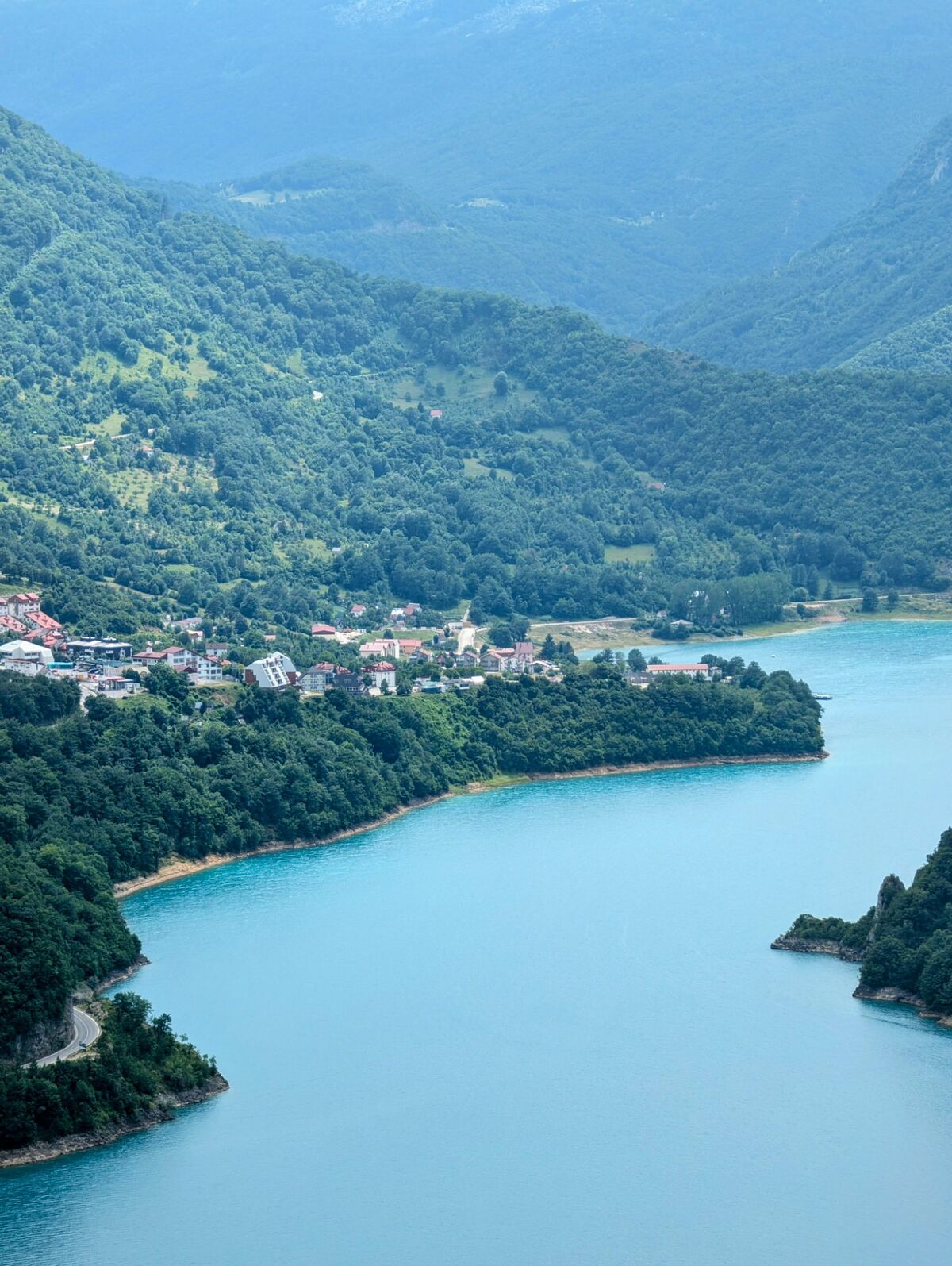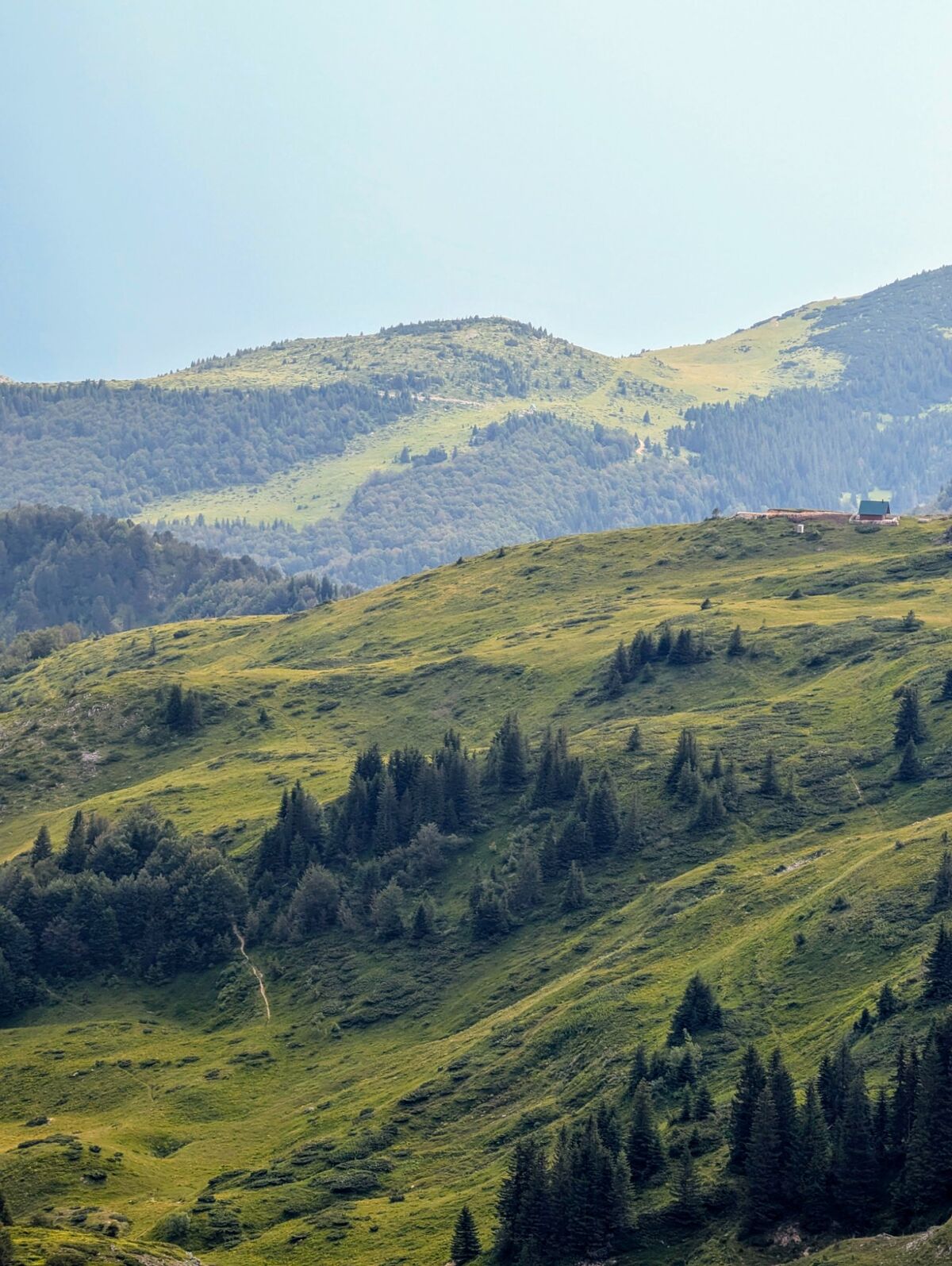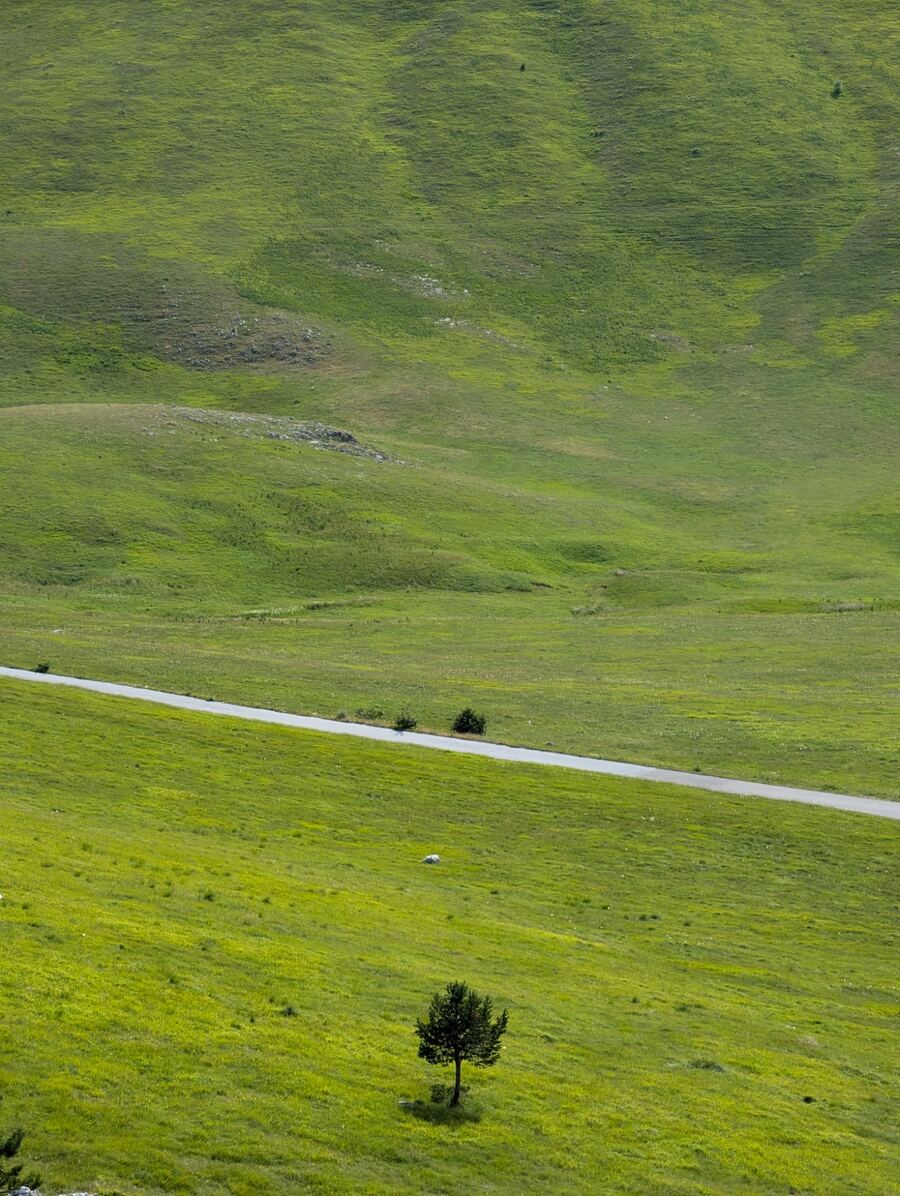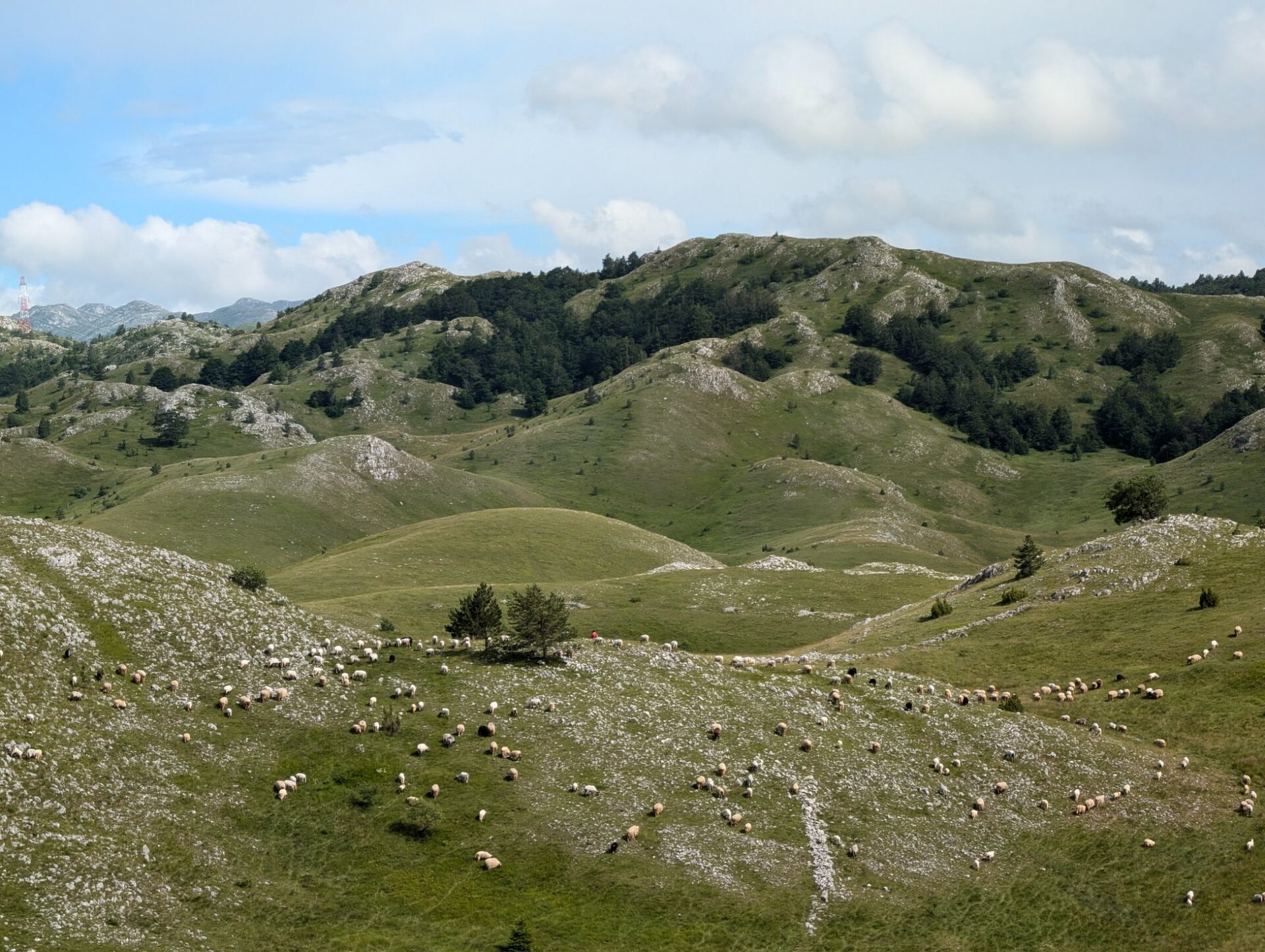
Rising to 2,139 metres at its highest point (Zekova Glava), the Bjelasica massif is one of the most significant mountain ranges in the western Balkans — and one of the least known outside the region. Straddling the border area between Montenegro and Serbia, it shelters within its folds some of the last intact primeval forest in Europe, dozens of glacial lakes, and a system of highland pastures that have been grazed since the Neolithic period.
Our eco estate at Ravna Rijeka sits at the very edge of this massif. On clear mornings, you wake up to the silhouette of the ridge line above the village. On some evenings, you can hear the sound of a stream carried down from the snowfields above. The mountain is not a distant backdrop — it is the landscape you inhabit.
Biogradska Gora National Park
At the heart of Bjelasica lies Biogradska Gora National Park — one of Montenegro's three national parks and, in ecological terms, one of its most precious. Established in 1952, it protects approximately 5,650 hectares of mixed forest, alpine meadow, and glacial terrain. The park is home to one of only three remaining primeval forests in Europe — alongside Białowieża Forest in Poland/Belarus and Perućica in Bosnia. These are stands of beech, fir, and maple that have never been logged, that have grown, aged, and fallen on their own terms for millennia.
Walking through the primeval forest of Biogradska Gora is unlike any other experience in the region. The trees grow to extraordinary dimensions — beeches with trunks wider than a man's arm-span, silver firs reaching 50 metres into the canopy. The forest floor is carpeted in moss, ferns, and the slow-decomposing remains of fallen giants. No other forest in the western Balkans feels so profoundly old.
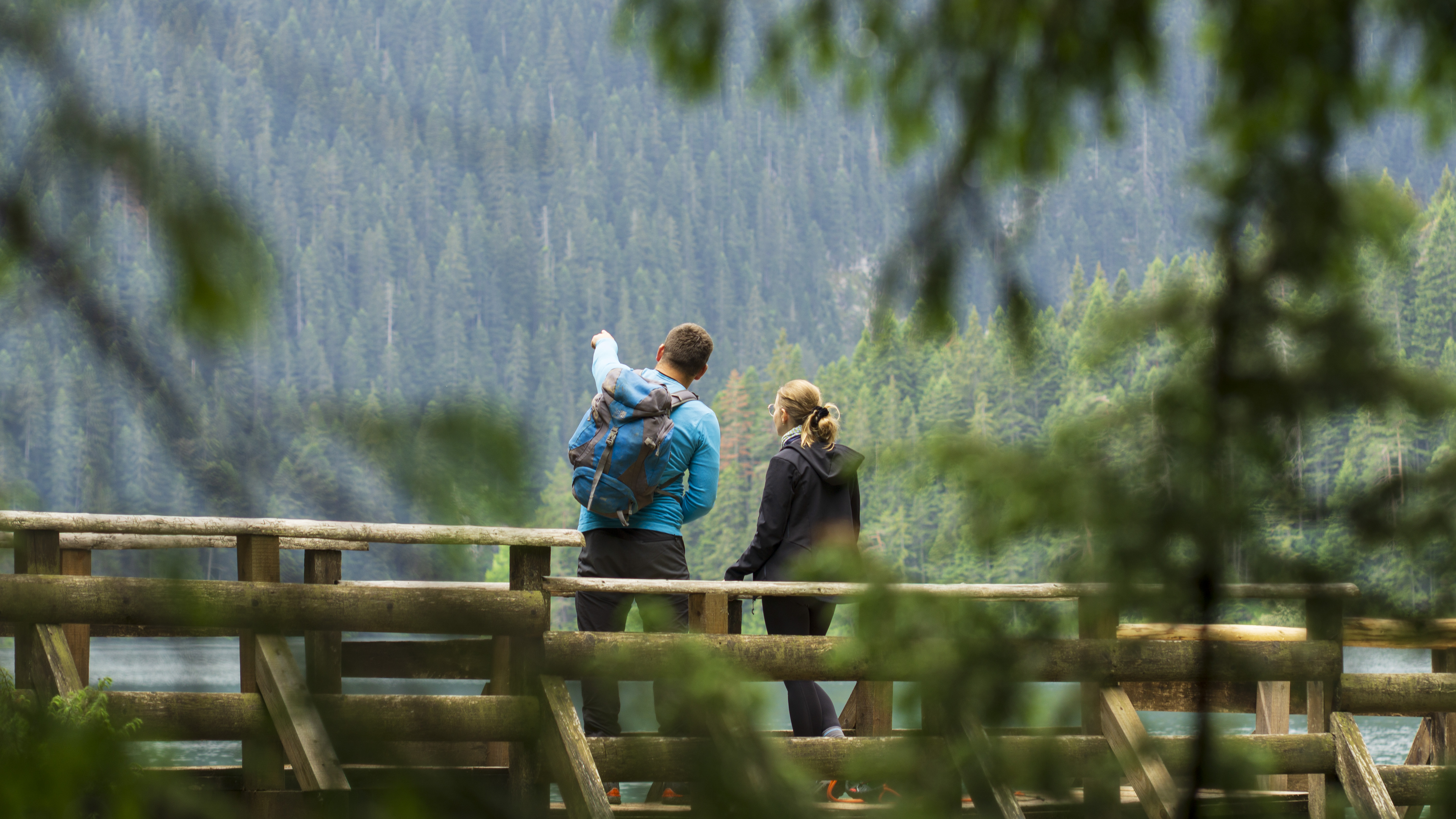
Biogradsko Lake
The jewel of the national park — and one of the most photographed natural sites in Montenegro — is Biogradsko Lake (Biogradsko jezero). This glacial lake sits at 1,094 metres altitude, surrounded on three sides by the primeval forest. Its water is extraordinary: a shifting palette of turquoise, green, and deep blue depending on the season, the light, and the angle of the sun.
A 3.5 km walking path circles the entire lake, passable in under two hours at a gentle pace. Rowing boats can be hired at the shore — one of the most serene ways to experience the stillness of the lake and its reflection of the surrounding mountains. In October, when the beech forest turns every shade of amber and gold, the lake is at its most spectacular.
The park is accessible and beautiful year-round, but late May through June brings wildflowers and clear air; September–October offers the golden autumn colours. In winter, the lake sometimes freezes and the surrounding trails become snowshoe routes — magical, but check conditions locally before setting out.
Bjelasica's Peaks and Ridge Routes
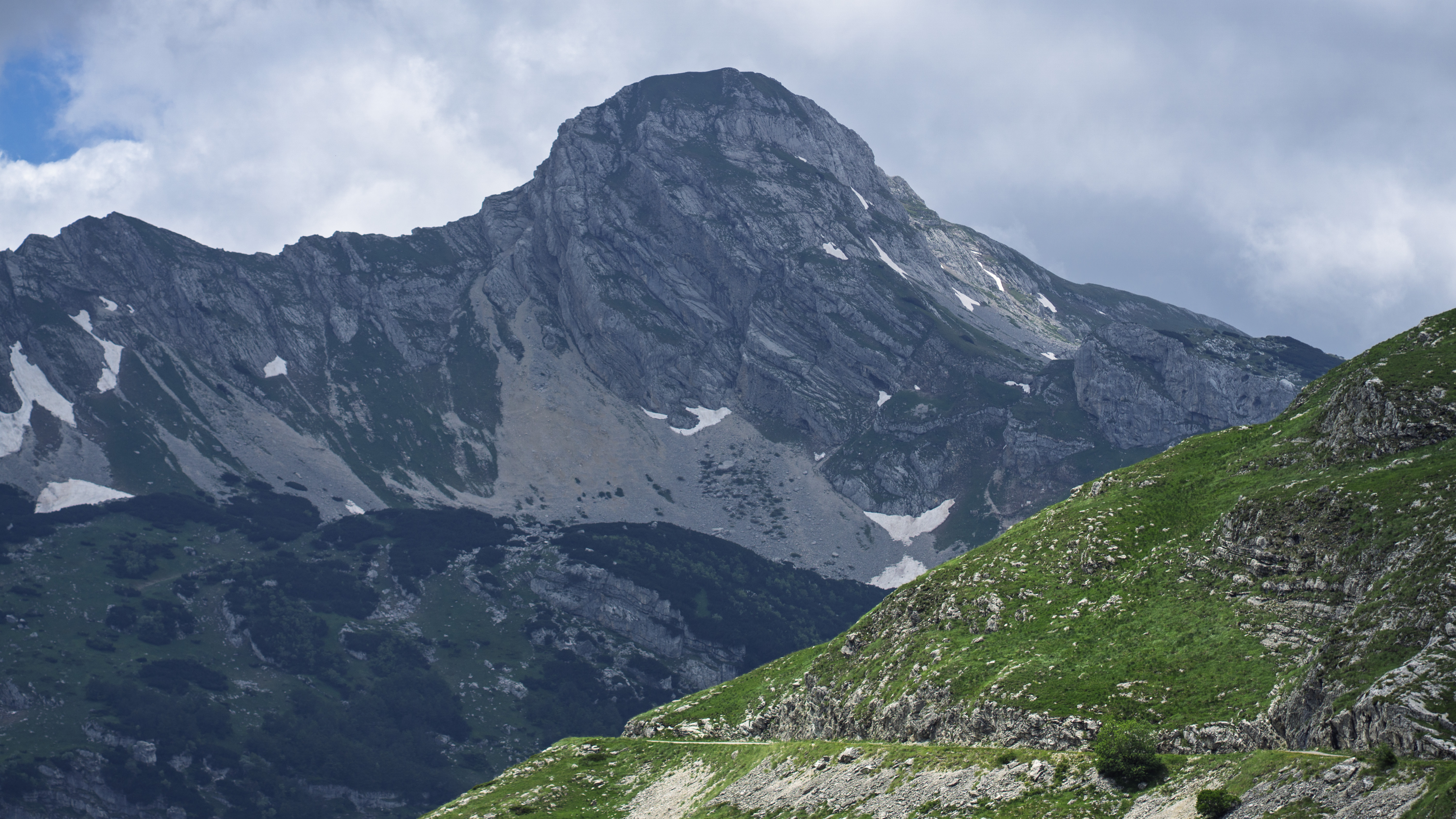
For hikers looking beyond the forest, the high ridges of Bjelasica offer some of the finest mountain walking in Montenegro. The main ridge runs roughly north–south for about 25 km, with several summits above 2,000 metres:
- Zekova Glava (2,139 m) — the highest peak, accessible via a long but non-technical ridge walk from the south. On a clear day, views extend across to Durmitor, Prokletije, and (in excellent conditions) the Adriatic coast.
- Crna Glava (2,067 m) — a slightly lower peak with arguably even better panoramas to the east, towards the Lim valley and the Pešter plateau.
- Troglava (2,072 m) — a triple-summited peak that makes a satisfying circular day walk from the village of Kolašin side.
Most of the high routes are snow-free from late June through October. Trails are generally clear but can be indistinct in poor visibility — the mountains deserve respect, and a local guide adds both safety and insight. Our guided summit tours depart from Ravna Rijeka, with routes tailored to your fitness level and experience.
The Katun Settlements
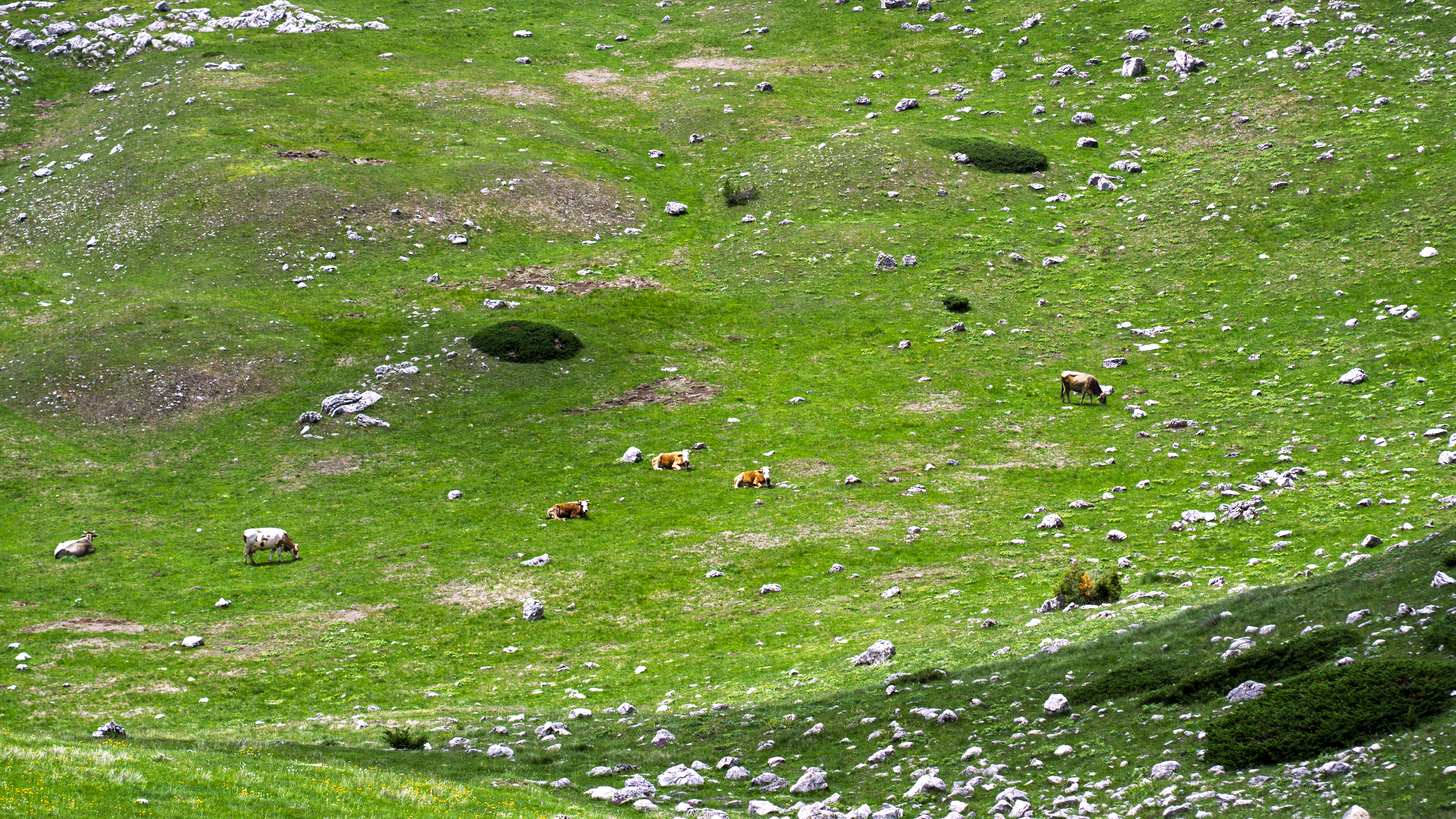
One of Bjelasica's most distinctive features is its network of katuns — the seasonal highland settlements where shepherds have moved their flocks for summer pasture since at least the medieval period. These aren't museum pieces: many are still actively used. From June through September, you'll find families living in the wooden huts, milking cows and sheep, making cheese, and living largely as their grandparents did.
The Štavna and Biogradska areas of the mountain have some of the most accessible and well-preserved katun clusters. Our guided katun trek takes you to visit active katuns, taste fresh cheese and warm milk, and hear the stories of the families who have been coming to these pastures for generations. It is one of the most authentic cultural experiences available anywhere in the Balkans.
"The first time you arrive at a katun and a grandmother presses a wooden bowl of warm sheep's milk into your hands — that's when you understand what this mountain really is."
Wildlife
Bjelasica's varied habitats support a remarkable diversity of wildlife. The primeval forest is one of the last strongholds of the Eurasian brown bear in the region; sightings are rare but not exceptional during dusk and dawn. Wolves still pass through the higher zones in winter, and lynx have been documented in the deeper forest areas. Among the birds, look for the white-backed woodpecker (one of Europe's rarest), the hazel grouse, and the Ural owl — all species that depend on old-growth forest that has largely vanished from western and central Europe.
The rivers and streams draining from Bjelasica — the Tara, the Lim, the Bistrica, and their tributaries — support healthy populations of brown trout and huchen (Danube salmon). The trout fishing on the upper Bistrica is particularly well regarded among local anglers.
Winter on Bjelasica
The mountain transforms completely in winter. The ski resorts of Kolašin 1450 and Kolašin 1600 on the western face of the massif are Montenegro's primary ski destinations, with modern lifts and ski runs suitable for all levels. Snowfall is reliable from December through March, and the combination of skiing in the morning and warming up by a wood fire in a highland inn in the evening has a particular appeal.
Off-piste, Bjelasica in winter is a different world: silent, white, and almost entirely empty. Snowshoeing and cross-country skiing routes through the national park are marked and passable for most of the winter season. The lake is often frozen by January — an eerie, beautiful sight, the dark forest reflected in a disc of ice.
Ravna Rijeka is one of the closest inhabited villages to the eastern approach to Bjelasica. Our guided mountain tours include summit ascents, katun visits, and forest walks — all departing directly from the estate. Contact us to plan your mountain day.
Practical Information
Biogradska Gora National Park charges a small entrance fee, which contributes directly to the maintenance of the trails and the forest. There is a visitor centre near the lake entrance with maps, guides, and basic facilities. Accommodation within the park is available in the form of mountain huts (planinski domovi), though booking ahead in summer is essential.
For multi-day trekking on the higher ridges, the Bjelasica Trail is a marked long-distance route that crosses the massif from north to south. It requires good physical fitness, navigation skills, and weather awareness — but rewards with solitude, scenery, and the genuine sense of being somewhere that most travellers will never see.