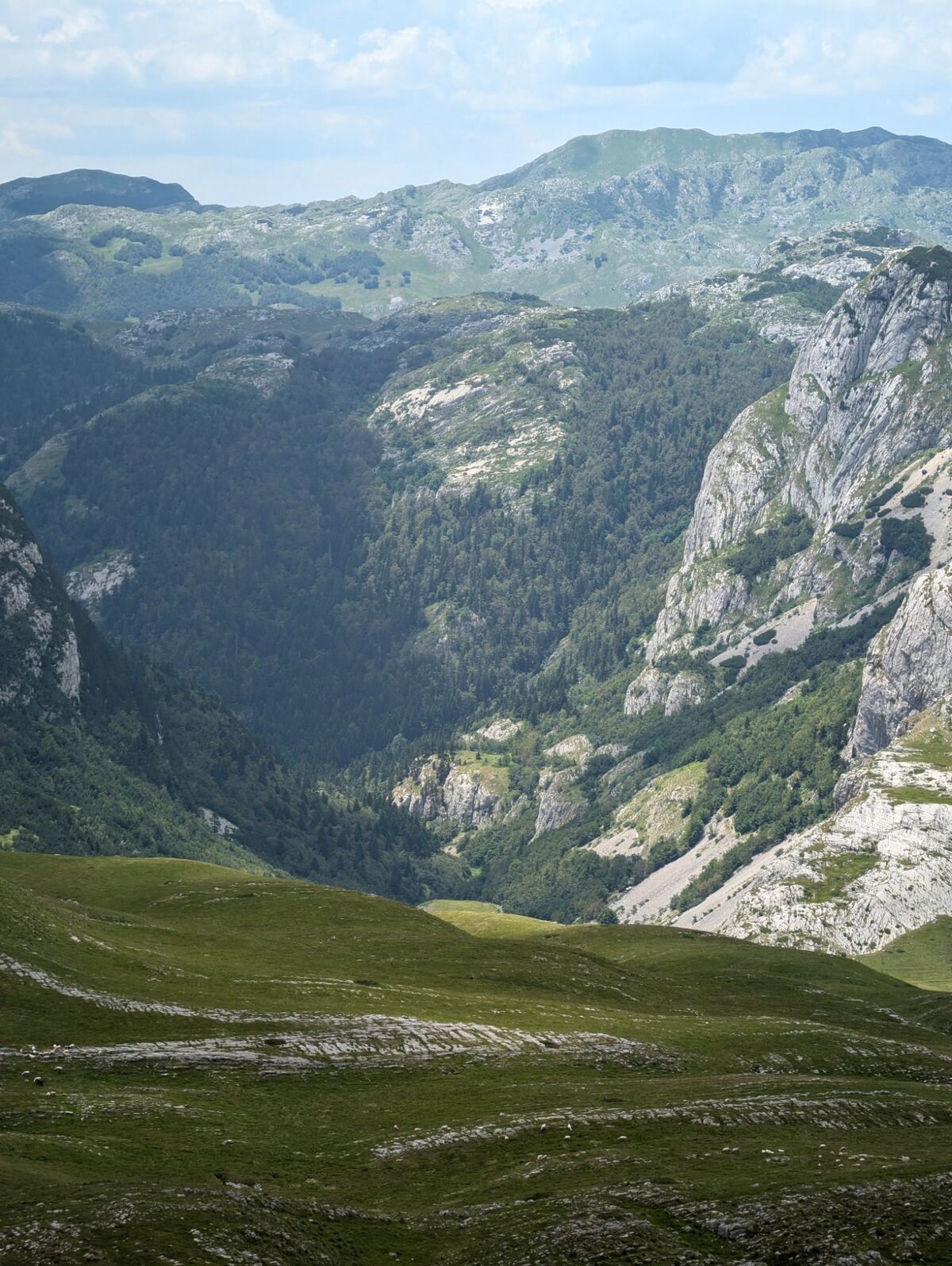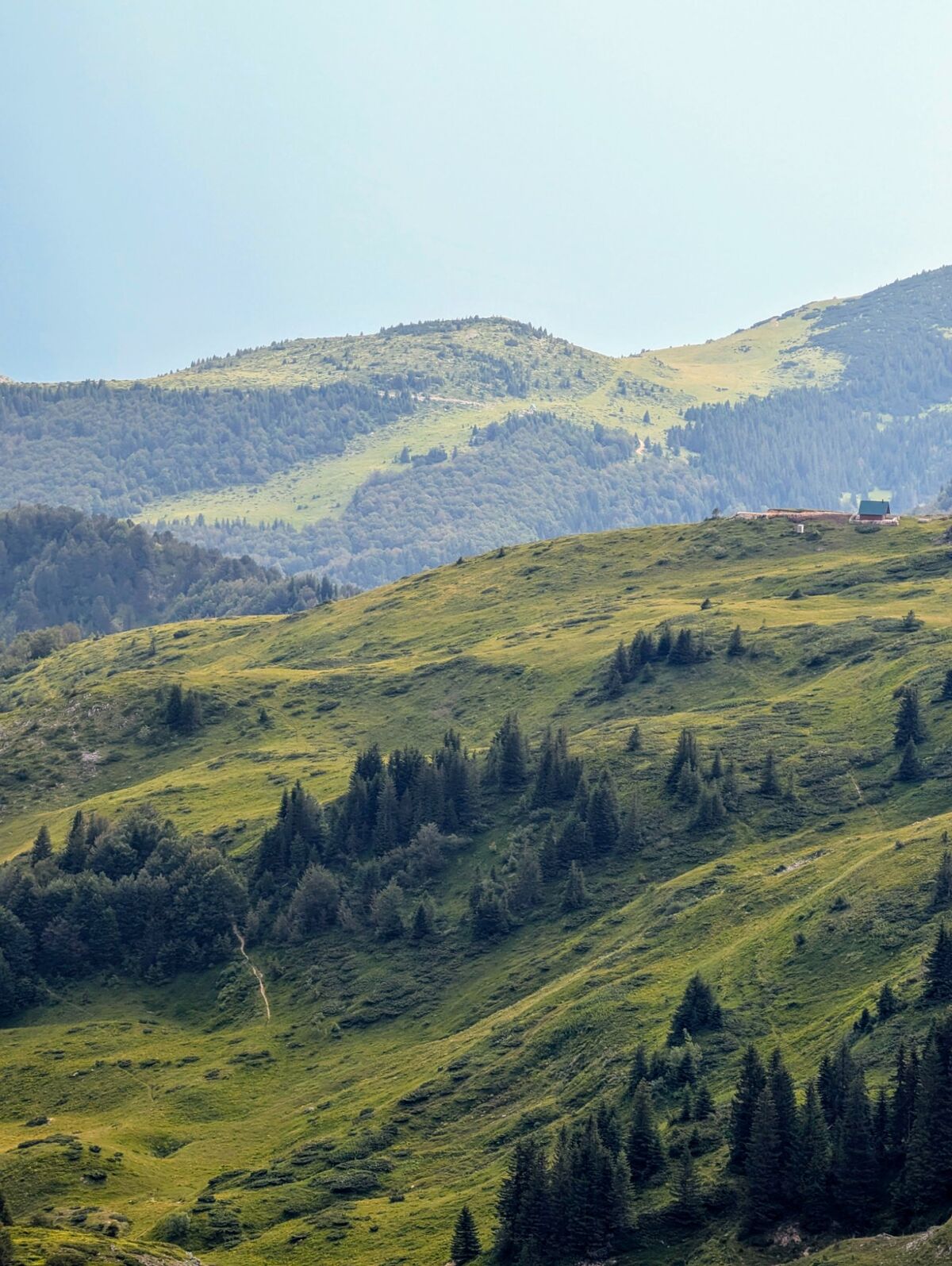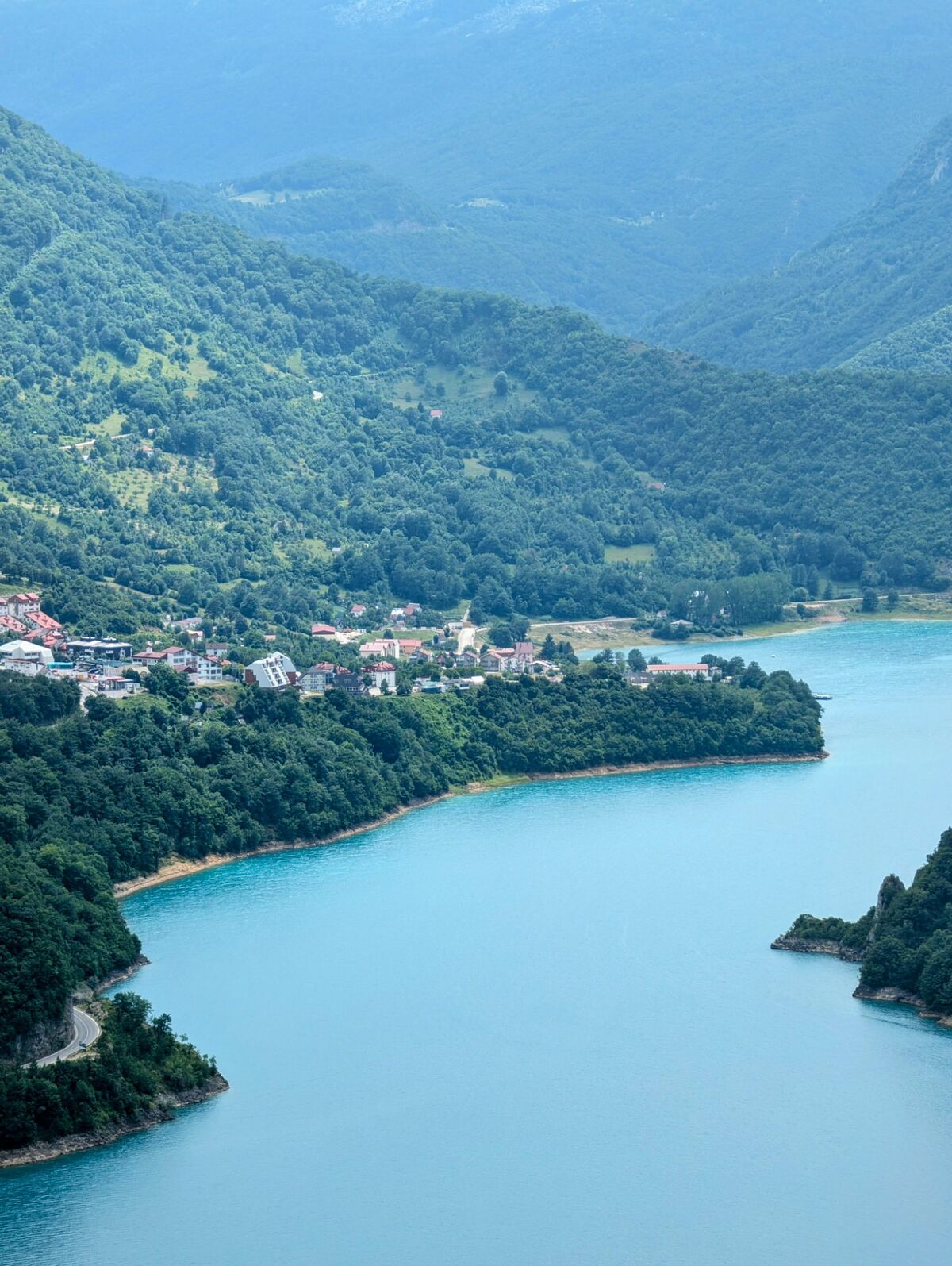
Tucked into the wide valley where the Lim and Bistrica rivers meet, Bijelo Polje is the largest town in northern Montenegro and one of the country's most historically rich urban centres. Most visitors race through on the way to the mountains — but those who stop discover a place full of stories, flavors, and a warmth that is hard to find elsewhere.
A Town With Deep Roots
The name "Bijelo Polje" translates simply as White Field — a reference to the white limestone karst that once blanketed the surrounding meadows in spring. The town's origins stretch back to the medieval period, when it served as a trading post on the routes connecting the Adriatic coast with the inland Balkans. By the Ottoman era, it had grown into a modest but prosperous market town, with a bazaar, caravanserais, and mosques that still define its architectural character today.
The Mešihat Mosque (also known as the Mosque of Aiša Hatun) is one of the oldest surviving Ottoman structures in Montenegro, built in the 16th century. Its simple stone facade and slender minaret rise above the rooftops of the old bazaar quarter, a striking reminder of the town's centuries-long multicultural identity.
The River That Defines the Town
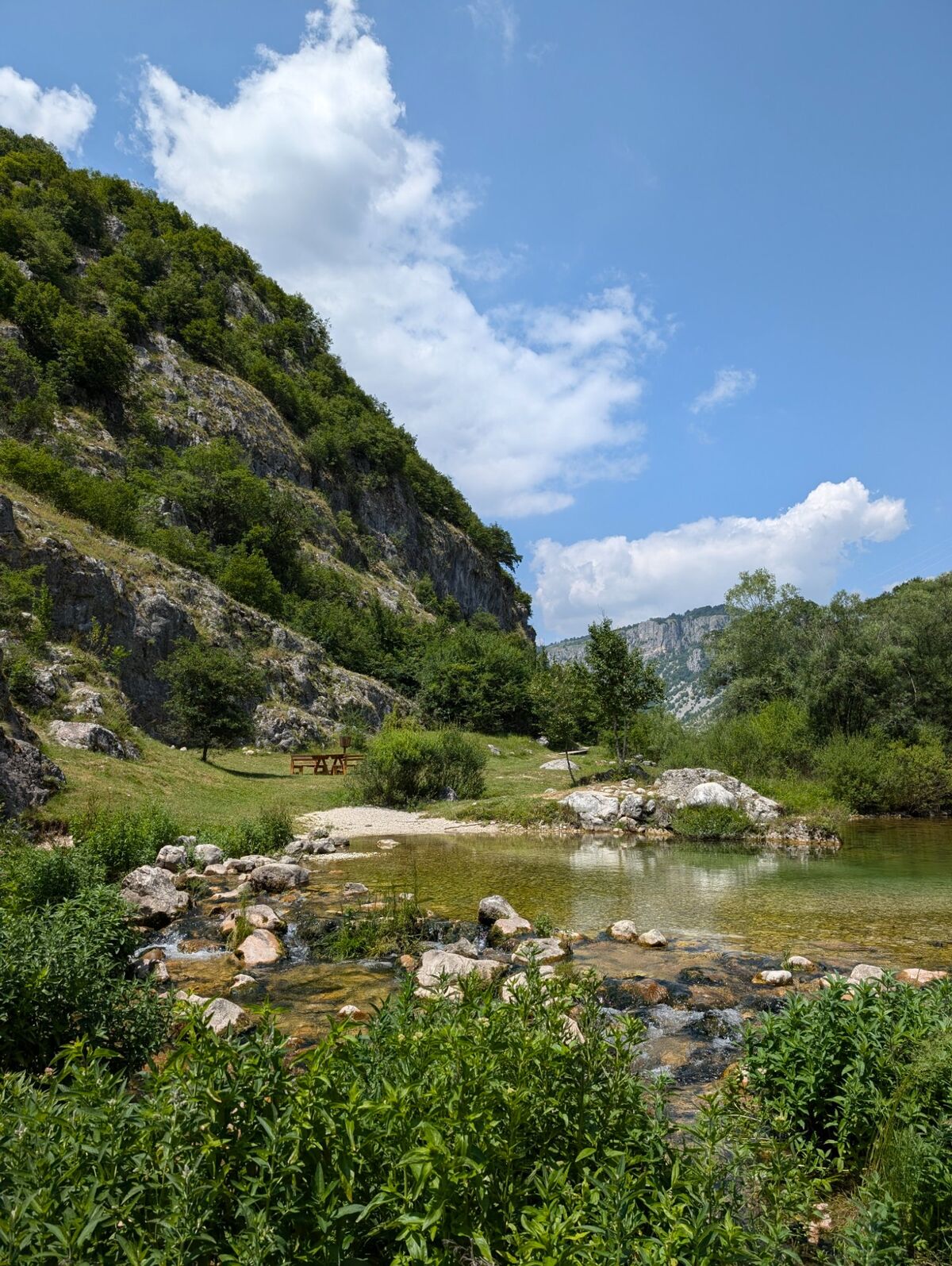
The Bistrica river flows right through the heart of Bijelo Polje before joining the Lim just downstream. The riverbanks are the social hub of the town — lined with kafanas (traditional cafés), small restaurants, and shaded walking paths where locals gather morning and evening. In summer, the clear green water draws swimmers and picnickers; in autumn, fishermen cast for trout in the slower bends.
The Lim river itself, which forms the wider valley, is one of the most important rivers of the western Balkans. Fed by the snowfields of Bjelasica and Prokletije, it runs fast, cold, and crystal-clear — perfect habitat for the brown trout (pastrmka) that appears on every local menu. Kayaking and rafting on the Lim have grown in popularity in recent years, with stretches ranging from gentle floats to challenging white water.
Visit the town's weekly market (pijaca) on Saturday mornings. Local farmers from surrounding villages bring homemade cheese, smoked meats, wild honey, and seasonal vegetables — the real taste of northern Montenegro, at source prices.
History Written in Stone
The area around Bijelo Polje was a contested frontier for centuries. The medieval Serbian state, the Byzantine Empire, the Ottomans, and later the Kingdom of Montenegro all left their marks here. A number of medieval church ruins and fortification remnants dot the surrounding hills, most notably the remains of a medieval fortified tower on the ridge above the town — modest by castle standards, but offering a commanding view of the entire valley.
The Nikola Tesla Cultural Centre and the town's small but well-curated Municipal Museum provide a good overview of local history, from prehistoric finds along the Lim valley to the town's role in the Partisan resistance during World War II. The museum's ethnographic collection — looms, costumes, tools — paints a vivid picture of highland village life before modernisation.
Culture and Festivals
Bijelo Polje has a lively cultural life for a town of its size. The Bijelo Polje Literary Encounters (Pjesnički susreti) is an annual poetry festival held each summer, drawing writers from across the former Yugoslavia — a tradition that survived wars, borders, and political upheavals to remain one of the region's most respected literary events.
The town is also home to a proud sporting culture. The local football club, FK Lim, has competed at national level, and the basketball, volleyball, and athletics clubs have produced athletes who have represented Montenegro internationally. On summer evenings, the town promenade buzzes with the kind of unhurried social energy that southern Europe does so well.
The Perfect Base for the North
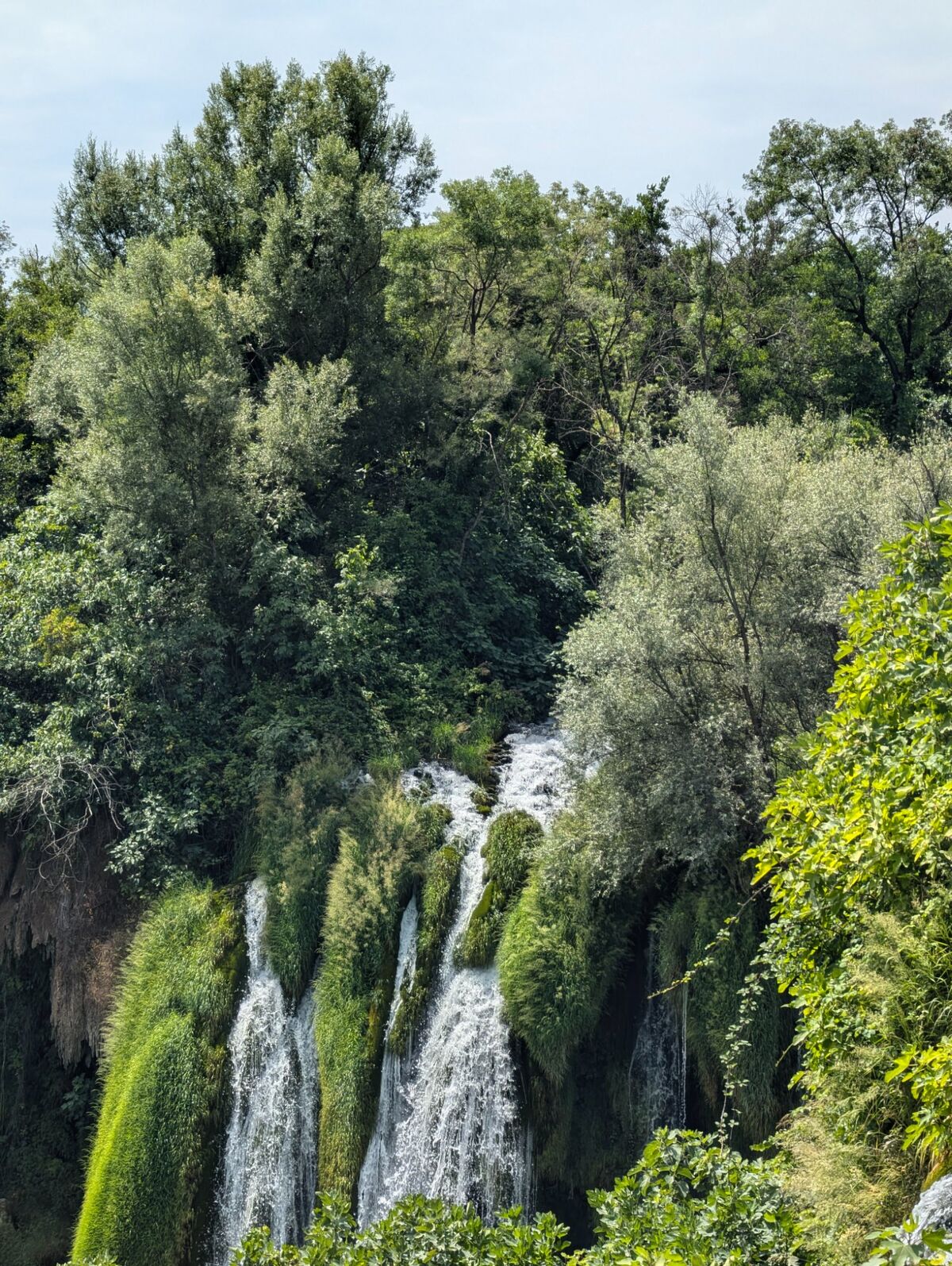
Geographically, Bijelo Polje punches well above its weight as a regional hub. Within an hour's drive you can reach:
- Bjelasica mountain and Biogradska Gora National Park (45 min)
- Kolašin ski resort — Montenegro's main winter sports centre (55 min)
- Prokletije National Park and the Albanian Alps (90 min)
- Đalovića Gorge — a spectacular canyon with one of the longest cave systems in the Balkans (25 min)
- Pešter plateau — a high-altitude grassland in Serbia, known for its steppe landscape and cold winters (40 min)
For travellers staying at our eco estate in Ravna Rijeka — just 12 km from the town centre — Bijelo Polje is the natural gateway: the place to pick up supplies, explore a little urban culture, and then return to the silence of the mountain.
Bijelo Polje is connected by train on the historic Belgrade–Bar railway — one of Europe's most scenic rail journeys, crossing the Đurđevića Tara bridge and winding through dramatic mountain gorges. The journey from Bar (the Adriatic coast) takes around 3 hours; from Belgrade, approximately 7–8 hours.
Where to Eat
The local cuisine of Bijelo Polje blends Montenegrin highland tradition with Bosnian and Serbian influences. Look for:
- Cicvara — a rich, creamy dish of polenta cooked with kajmak (clotted cream), the Montenegrin comfort food par excellence
- Jagnjetina na ražnju — spit-roasted lamb, slow-cooked over beech wood embers for four to five hours
- Pita sa sirom i kajmakom — layered filo pastry filled with fresh cheese and kajmak, still made by hand in many households
- Domaći sir — local sheep or cow's milk cheese, sometimes aged in brine, sometimes smoked over pine needles
The town has a handful of good domaća kuhinja (home-cooking) restaurants where meals are prepared fresh each day from local ingredients. Nothing is imported, nothing is pretentious — and the portions are legendary.
"Bijelo Polje is one of those towns that reveals itself slowly. You need to sit down, drink a coffee, and let it come to you."
Whether you stop for half a day on your way through, or use it as a base for a week of mountain adventures, Bijelo Polje rewards curiosity. It is not a tourist town — and that, for the right kind of traveller, is exactly its appeal.